
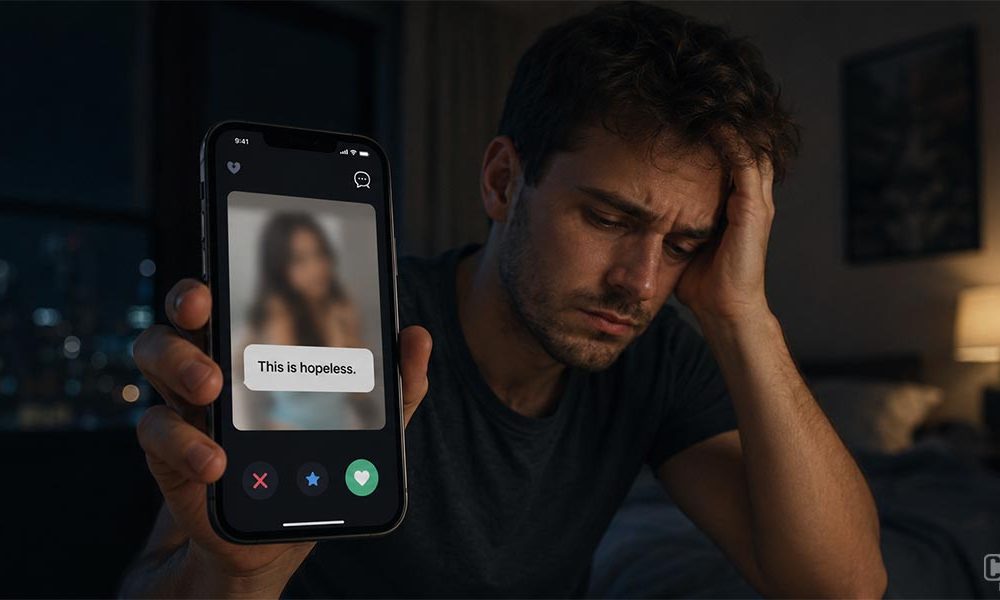

Let’s face it, in addition to helping you find someone, dating apps sell hope. They sell the idea that the right person might be one swipe away. And the hook is that maybe the next match will be better. And maybe that next message will turn into a date. Or perhaps the next profile is the one you’ve been dreaming about. And if things aren’t working out for you, maybe a paid upgrade, boost, super like, or premium feature will finally change everything.
Sometimes dating apps work and people meet, fall in love, play, get married, or <insert your desired outcome>. But the business model is still worth questioning. Because if an app helps you find the right person quickly, you may delete it. If it keeps you hopeful, frustrated, curious, and just successful enough to keep coming back, you may stay. And that’s where things get uncomfortable. These apps are running a business. But that’s not what most people think about when they join and pay for apps.
The App Doesn’t Necessarily Win When You Leave
A dating app can say it wants you to find love (or partner, hookup, travel buddy, and so on). And maybe many of the people working behind the scenes at the app company genuinely do want users to have good experiences. But the business model often depends on continued use.
Match Group, which owns major dating platforms including Tinder and Hinge, report billions in annual revenue and tracks financial metrics such as payers, revenue per payer, subscriptions, and paid features. That shows that the industry is built around monetized participation. They aren’t evil but just working their business model to earn a profit.
The more people use the apps, the more chances there are to sell upgrades. That creates an obvious tension. The user wants to find someone and stop using the app. The company benefits when people keep using the app, swiping, checking, and sometimes keep paying.
Just Enough Success To Keep You Coming Back
The most effective dating app experience doesn’t have to be complete failure. If it were total failure, people would quit. Instead, the app can give users just enough hope to stay engaged. Consider aspects like getting a match here, a conversation there, someone who seems promising but disappears, a profile you wish had liked you back (resulting in perhaps the most crappy feeling you can get from these apps), or a notification that makes you open the app again.
It can feel like a slot machine. You don’t win most of the time, but the possibility of winning keeps you playing. That’s why dating apps can become emotionally exhausting. You’re not just looking for a person. You’re interacting with a system designed to keep your attention. So don’t expect the app to show you the most ideal dating candidates. It might just show you the ones the algorithm knows will keep you on board longer.
The Lawsuits Show The Concern
In 2024, a proposed class-action lawsuit accused Match Group’s dating apps, including Tinder and Hinge, of using addictive, game-like features that encouraged compulsive use and pushed users into a “pay-to-play” loop. Match denied the allegations, and Reuters later reported that the claims were sent to individual arbitration instead of proceeding as a federal class action. That doesn’t prove every claim in the lawsuit is true. Lawsuits are allegations unless proven. But it does show that the concern is real: Many users feel dating apps are designed less like neutral matchmaking tools and more like engagement machines.
Paid Features Can Feed The Frustration
Paid dating features often promise better visibility, more control, or improved odds. That can be tempting, especially for people who aren’t getting many matches. But it can also create a frustrating cycle. If the free version doesn’t work well, users may wonder if paying will fix it. If paying doesn’t work, they may wonder if they need a different feature, better photos, more boosts, or more time. At some point, dating starts feeling less like connection and more like customer acquisition. From the app company’s perspective, you’re not just a user who is looking for a match and a successful meet up. Rather, you’re a user, payer, and a recurring revenue opportunity. It leaves a bad taste in your mouth when you look at it that way.
Use The Apps, But Don’t Let Them Use You
Dating apps aren’t useless. They can be one way to meet people, especially in a world where many people are busy, isolated, or unsure how to meet others in person. But you need to understand what you’re dealing with. Also, don’t let an app decide your self-worth. Paying endlessly because you believe the next upgrade might fix everything or confusing notifications with actual progress are out of how they get you. In some cases, you may spend weeks texting someone who won’t make plans. Yeah, don’t do that.
And don’t forget that the app’s goal and your goal may not be perfectly aligned. Your goal is connection while the app’s goal is engagement. Sometimes those overlap and sometimes they don’t. And that’s the dark truth behind dating apps.






RSS