
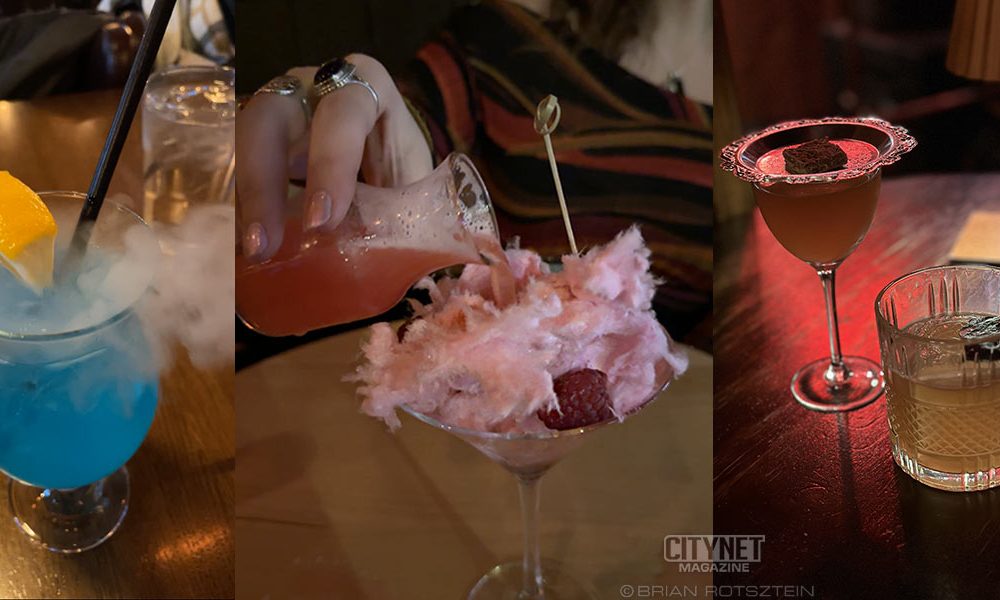

By now you’ve probably read about how there’s a recent notable decline in nightclubs, a rise in day clubs and daytime partying, and mocktail trends and drink techniques. Given these trends, here’s additional details. in the form of a sort of beginners guide to mocktails, if you will. It’s question and answer style to go through quickly.
Why are people drinking mocktails?
The simple answer? People want to feel good, without giving up the fun, the flavour, or the social spark. Even with today’s younger generation not socializing as much in person as with past generations, for those who do want to mingle, mocktails work.
More individuals are becoming “sober curious” and asking themselves whether alcohol actually enhances their experiences. Personally, I can easily have a fun time without alcohol but I on some nights, a cocktail or three is great too! For many, a night without alcohol is painful but for an emerging generation, the answer night out doesn’t mean a night of drinking alcohol. Whether it’s for health reasons, mental clarity, religion, pregnancy, or just personal preference, mocktails allow people to stay in the mix without compromising how they feel.
Some are also choosing alternatives like party drugs (e.g., MDMA or psychedelics) that offer different kinds of effects, often with fewer regrets the next morning. When I go to party events like boiler room, I don’t always see a significant line for alcohol. Don’t get me wrong, yes, people are down to drink to add to their night out. But the party drugs often do the trick for the experience they wanted, and frequently cheaper at that.
Meanwhile, others just want to vibe at daytime events. Such as at early morning dance parties in coffee shops or rooftop brunches, where getting drunk simply doesn’t fit the scene.
What is the most popular mocktail?
The most popular mocktail in history is the classic Shirley Temple. It’s a mix of Sprite and grenadine, often garnished with a maraschino cherry. I remember having that when I was younger and out with my parents! It still reigns as the most iconic mocktail in the world. It’s sweet, nostalgic, and instantly recognizable. (Fun fact: “Sprite and grenadine” is a Shirley Temple, though you’ll sometimes hear variations called “Cherry Sprites.”)
But as tastes evolve, other mocktails have risen in popularity. Drinks like the Virgin Mojito (mint, lime, and soda), No-Groni (a non-alcoholic, humourous take on the Negroni), and craft drinks made with zero-proof spirits are winning over modern drinkers. Bartenders now use ingredients like rosemary smoke, chili tinctures, and infused syrups to build layers of complexity, without the booze.
What was the first mocktail in the world?
The Shirley Temple, as described above, is often credited as the first modern mocktail, dating back to the 1930s. Legend has it, it was created in Hollywood for the child star herself so she could sip something “grown-up” alongside her adult co-stars. Whether that story is fact or folklore, it has become a symbol of how non-alcoholic drinks can still feel festive and fun.
When were mocktails first popular?
Mocktails first gained attention in the mid-20th century, largely as novelty drinks for kids or non-drinkers. But they didn’t really take off until the 2010s, when wellness culture, Instagram aesthetics, and the emergence of non-alcoholic spirits gave them a major glow-up.
They became especially popular during the pandemic, when at-home mixology spiked and people started caring more about mental health and socializing while sober.
How big Is the mocktails market?
The global market for non-alcoholic drinks, including mocktails, is massive and growing quickly. Beverage Daily says that as of 2024, the alcohol-free beverage category was worth over $13 billion USD, and it is projected to exceed $20 billion by 2027. North America and Europe lead the trend, but demand is booming worldwide.
This growth is driven not just by abstainers, but by people looking to moderate their alcohol intake. These individuals are sometimes called “flexi-drinkers” or “low-no drinkers.” The mocktail trends definitely appeal to this target demographic.
What’s the fancy name for mocktails?
The term “zero-proof cocktails” is often used in upscale or mixology-focused spaces. It sounds more refined than “mocktail,” which some still associate with kids’ drinks.The term “proof” is a measure of ethanol (alcohol) so this would be none of that! You might also hear terms like spirit-free cocktails, temperance drinks, or non-alcoholic craft cocktails depending on the setting.
In fact, I’ve seen that so many bars now list their mocktails right alongside their traditional cocktails list. They often have the same level of care and flair, from glassware to garnishes to storytelling.
What are the mocktail trends for 2025?
Here’s what to watch for in the mocktail world these days:
- Molecular mixology: Science-forward techniques like foams, smokes, gels, and spherification (the drink is in ball format and bursts in your mouth) are elevating these drinks into high art.
- Functional ingredients: Expect more mocktails with adaptogens (like ashwagandha), nootropics, and even CBD for mood support and relaxation.
- Sustainable sipping: Eco-conscious ingredients, zero-waste garnishes, and local sourcing will continue to shape the scene.
- Brunch & day-party drinks: With daytime events like sober raves and morning dance parties growing, low-key energizing mocktails are in demand.
- Cultural inspiration: More bartenders are taking cues from global traditions. For example, use of Ayurvedic herbs, Middle Eastern spices, and Japanese teas. This gives them an opportunity to create original creations.
When did people start drinking cocktails versus mocktails?
Cocktails go way back. The term “cocktail” was first defined in print in 1806 as a mix of spirits, sugar, water, and bitters. Over the centuries, they evolved into the wide array of mixed drinks we know today.
Mocktails are newer by comparison. But the thing is, since the bar scene already had so much experience creating so many variations in alcohol-based drinks, mocktails have quickly caught up. These days, they are just as creative, beautiful, and enjoyable as their boozy counterparts.
Can you drink a mocktail when you’re pregnant?
Yes, because mocktails don’t contain alcohol! This makes them generally safe for pregnancy. However, it’s still important to consider the specific ingredients in each drink to ensure they support the health of both the mother and the fetus. Not to mention the safety of both at major events. Party but party responsibly.
Why do mocktails have two straws?
Some mocktails are served with more than one straw. And they’re often tiny ones. Double straws make it easier to sip thick or layered drinks evenly. They also help preserve delicate garnishes. And in some ways, they help to create a more luxurious experience. It’s a small touch that signals attention to detail, beyond the drink itself.
Mocktails Are In
Whether you’re fully sober, sober-curious, or just not in the mood to drink, mocktails offer a worthwhile way to socialize, celebrate, and enjoy tasty flavours without compromise.





RSS